
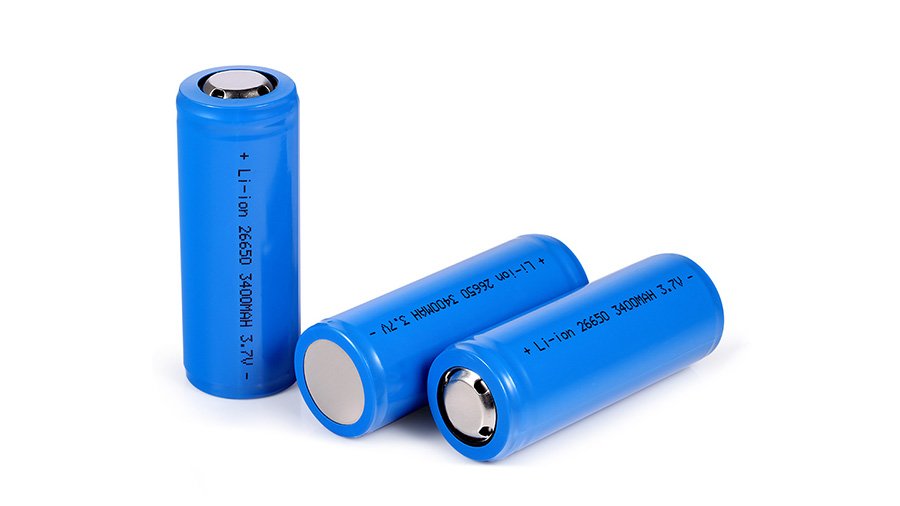
In today’s tech-savvy world, batteries play a crucial role in powering our modern devices, from portable consumer electronics to laptops and electric vehicles. Among the various battery types available, lithium-ion (Li-ion) batteries have gained immense popularity due to their high energy density and versatility. One common question that often arises is whether lithium-ion batteries are rechargeable. In this blog, we’ll delve into the world of Li-ion batteries and explore their rechargeable nature.
Understanding Lithium-Ion Batteries
Lithium-ion batteries are a type of rechargeable battery that utilizes lithium ions as the primary component for energy storage. These batteries are known for their exceptional energy-to-weight ratio, making them ideal for portable devices where size and weight matter. Unlike primary batteries, which are designed for single-use and disposal, lithium-ion batteries are built to be recharged numerous times.
The Rechargeable Nature of Li-Ion Batteries
Yes, lithium-ion batteries are indeed rechargeable. In fact, their rechargeable nature is one of the key reasons for their widespread adoption. Li-ion batteries are designed to be charged and discharged repeatedly without significant degradation in performance. This feature makes them not only cost-effective but also environmentally friendly, as it reduces the need for frequent battery replacements.
Why Lithium-Ion Batteries Are Rechargeable?
Reversible Chemistry
Lithium-ion batteries consist of four major components: cathode (positive electrode), anode (negative electrode), separator, and electrolyte. Li-ion batteries operate based on reversible electrochemical reactions. When charging, lithium ions move from the cathode to the anode, storing energy. During discharge, these ions flow back to the cathode, releasing stored energy. This reversible process enables multiple charge and discharge cycles.

No Memory Effect
Lithium-ion batteries have no memory effect. Memory effect occurs when a battery “remembers” its previous charge and cannot utilize its full capacity. Li-ion batteries do not suffer from this issue, allowing you to recharge them at any state of charge without compromising their performance.
Long Cycle Life
Lithium-ion batteries are known for their long cycle life, often rated for hundreds or even thousands of charge-discharge cycles. This longevity ensures that Li-ion batteries can provide reliable power over an extended period.
Tips for Maximizing Li-Ion Battery Life
Although lithium-ion batteries are rechargeable, there are some best practices to extend their life:
- Avoid frequent deep discharges. Li-ion batteries prefer shallow discharges and recharges.
- Store Li-ion batteries in a cool, dry place and at a partial charge (about 50%) for long-term storage.
- Use a quality charger designed for Li-ion batteries to ensure safe and efficient charging.
- Avoid exposing Li-ion batteries to extreme temperatures, as high heat may accelerate degradation.
Conclusion
Lithium-ion batteries are not only rechargeable but also highly efficient and durable. Their ability to be recharged multiple times makes them a preferred choice for a wide range of applications, from powering our portable devices to driving electric vehicles. By understanding how to properly care for and recharge your Li-ion batteries, you can maximize their lifespan and enjoy reliable power for years to come.
